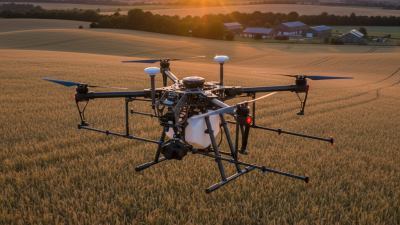
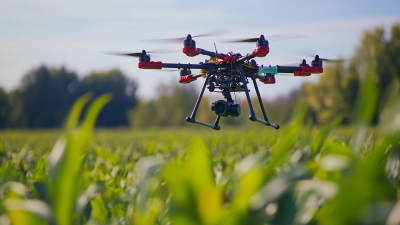
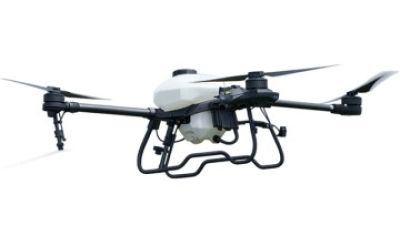
The agricultural world is really buzzing with innovation these days, especially with the rise of Farm Drones. I read a recent report from ResearchAndMarkets that predicts the drone market in agriculture will hit about $6.4 billion by 2026—pretty crazy, right? And at the heart of this growth is theAgricultural Drone Frame. It’s actually a game-changer for farmers, helping them boost efficiency and get better yields.
Dr. Emily Carter, who’s a real expert in agricultural tech, points out that “Having the right Agricultural Drone Frame can really make or break a farm’s success.” I think that says a lot about how crucial choosing the right frame is—since it directly impacts things like how much the drone can carry and how steady it stays in the air. As farms move more toward precision farming, folks are on the lookout for frames that are both tough and lightweight.
That said, it’s not all smooth sailing. Many farmers find it tricky to figure out how to incorporate drones into their usual routines. Plus, with so many different crops and terrains out there, it’s hard to find a single solution that fits all. The landscape is constantly changing, which means manufacturers have to stay on their toes to keep up. Moving forward, the future of Agricultural Drone Frames has to seriously consider these challenges if we want tech to truly meet the needs of farmers today and down the line.
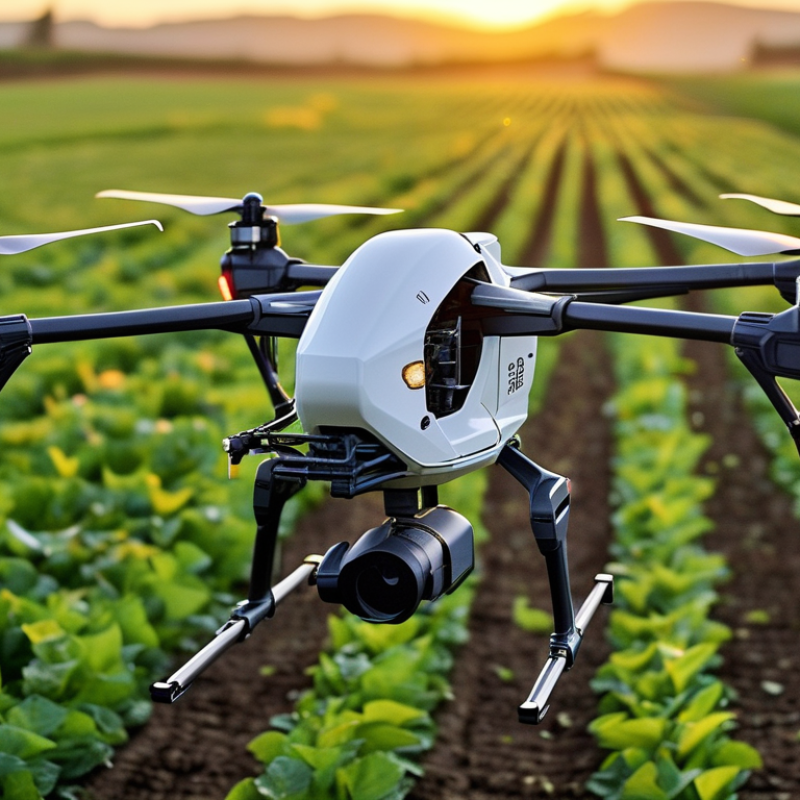
Top Trends Influencing Agricultural Drone Frame Design in 2026
The agricultural drone industry is witnessing significant shifts as we approach 2026. Emerging trends will shape the design of drone frames in profound ways. One critical aspect is the increasing demand for lightweight materials. A recent report indicates that using advanced composites can reduce frame weight by up to 40%. This reduction enhances flight efficiency and extends operational time.
Another trend is the emphasis on modular design. Farmers are looking for flexibility. They want to adapt their drones for various tasks. A modular approach allows them to switch components easily, making drones more versatile. According to industry analysis, modular frames can potentially reduce maintenance costs by 30%. Moreover, increased customization options are becoming essential. OEM Agricultural Drone Frame manufacturers are expected to focus on tailor-made solutions that meet specific agricultural needs.
Sustainability is another driving force. The market is shifting toward eco-friendly materials. However, sourcing these materials can be challenging. There are concerns about their long-term performance. While gains in sustainability are crucial, the trade-offs need careful consideration. Consumer feedback indicates that durability should not be sacrificed for environmental benefits. The balance between innovation and reliability will define the success of agricultural drone frames as we move forward.
Key Materials and Technologies Used in Modern Drone Frames
The future of agricultural drones hinges on the materials and technologies that make up their frames. Lightweight composites, like carbon fiber, dominate due to their strength-to-weight ratio. These materials enhance durability and extend flight time, crucial for effective field coverage in demanding conditions.
Metallic frames, such as aluminum, offer robustness but come at the cost of added weight. This affects maneuverability and battery life. Hybrid designs attempt to balance these characteristics but may introduce complexities in manufacturing. Drone designers face the challenge of integrating new technologies while maintaining performance.
Another critical element is the construction technique. Advanced manufacturing methods can enable more efficient designs. However, they can lead to higher costs without clear performance benefits. The continued evolution of drone frames must address these trade-offs while pushing the boundaries of what’s feasible in precision agriculture.
Comparison of Fixed-Wing and Multirotor Drone Frames for Agriculture
In modern agriculture, choosing the right drone frame is crucial. Fixed-wing drones offer long endurance and cover large areas efficiently. They glide smoothly through the air, making them ideal for scouting vast farmlands. However, they struggle in intricate terrains. This limitation can affect data quality, especially in uneven fields. Thus, farmers must consider their specific needs when opting for these frames.
Conversely, multirotor drones excel in agility and maneuverability. They can hover, making them suitable for detailed crop inspections. These drones can perform well in confined spaces around crops or structures. Yet, their battery life is limited compared to fixed-wing models. Farmers using multirotor drones often face the challenge of frequent recharging.
The choice between the two largely depends on the specific agricultural applications. A Custom Agricultural Drone Frame can address particular requirements. It’s vital to weigh the pros and cons carefully before making a decision. Each frame type has unique strengths and weaknesses. Commitment to understanding these differences can lead to a more fruitful agricultural operation.
Evaluating Weight, Durability, and Flexibility in Drone Frame Options
When considering agricultural drone frames for 2026, weight is a crucial factor. Lighter frames enhance flight efficiency. This can lead to longer flight times and better coverage for large fields. However, balancing weight and durability is essential. A frame that is too lightweight may not withstand harsh weather conditions or rough handling.
Durability is often tested in real-world conditions. Farmers need frames that can endure significant impacts. This includes resistance to moisture and chemicals commonly found in agriculture. Research into materials reveals that some innovative composites exhibit both strength and lightweight characteristics. Making these materials accessible will improve the sector substantially.
Flexibility in designs is also worth discussing. Customizable frames can suit different crops and settings. Farmers often face varying challenges depending on the landscape. A High-Quality Agricultural Drone Frame could offer users the ability to adapt their drones promptly. This means adjusting payloads or modifying configurations for specific tasks. While advancements in this area are promising, further exploration is needed. Designers must keep user feedback in mind for continuous improvement.
Integration of Sensors and Payload Systems in Drone Frames
The integration of sensors and payload systems in agricultural drone frames marks a significant advancement in precision farming. Reports indicate that the agricultural drone market will reach $5.9 billion by 2026, highlighting the importance of robust frames to support complex technologies. Lightweight materials like carbon fiber and advanced polymers are increasingly used, enhancing durability while reducing weight. This balance is crucial when drones carry heavy sensors and payloads.
Current trends show that the incorporation of multi-spectral and thermal cameras is rising. These sensors provide real-time analytics on crop health and irrigation needs. A study found that drone-assisted crop monitoring could increase yields by 10-15%. However, not all frames accommodate these advanced systems well. In some cases, poorly designed mounts lead to vibration issues, affecting sensor performance.
Integration also introduces challenges. Many drone frames struggle with power management when connecting multiple systems. As payloads become more sophisticated, ensuring efficient power distribution becomes critical. This underscores a need for ongoing innovation. Real-world tests highlight that many designs still fall short in payload capacity. Future developments must focus on versatility, striving for both strength and lightness. Balancing these factors will determine the effectiveness of agricultural drones moving forward.
Impact of Regulatory Changes on Agricultural Drone Frame Choices
As agricultural drone technology advances, regulatory changes significantly impact frame selection. New regulations may impose weight limits or safety standards for drone frames. These adjustments require manufacturers to innovate, ensuring compliance while maintaining performance. Farmers must stay informed about these shifts to maximize efficiency in their operations.
The focus is not just on compliance, but also on sustainability. Lightweight materials are becoming essential for the Best Agricultural Drone Frame, considering environmental impacts. Frames made from recyclable composites showcase a commitment to eco-friendly practices. However, striking a balance between durability and weight is still a challenge. Farmers might struggle with options that don’t quite meet their needs.
Market dynamics are also affected as regulations evolve. Farmers face the risk of investing in frames only to find them non-compliant later. This ongoing uncertainty can lead to hesitation in purchasing decisions. As manufacturers respond to regulatory changes, they should consider feedback from farmers. Collaborative development may lead to more reliable and adaptable agricultural drone frames in the future.
Future Innovations in Drone Frame Design for Enhanced Crop Management
The evolution of agricultural drone frames is pivotal for crop management advancements. Research from DroneDeploy indicates that the agricultural drone market is expected to reach $1.2 billion by 2026. This growth signals a trend toward more sophisticated designs that prioritize efficiency and durability. Today's frames are increasingly lightweight. This shift reduces energy consumption during flights, resulting in longer operational hours.
Innovations are emerging to address challenges faced by farmers. For instance, modular designs allow for easy upgrades and repairs. According to a report by ResearchAndMarkets, 35% of farmers prioritize adaptability in their equipment. Another significant development is the integration of materials like carbon fiber. These materials offer excellent strength-to-weight ratios, enhancing the drone’s performance while maintaining cost-effectiveness.
However, challenges persist. Not all farms can fully benefit from these innovations. Infrastructure limitations in rural areas can hinder the adoption of advanced drone technologies. Furthermore, data privacy concerns around aerial imaging remain a contentious topic. Farmers need robust solutions that guarantee data security while improving yield management. Balancing innovation with practicality will be crucial for the future of agricultural drones.
Top Agricultural Drone Frame Options for 2026
This chart illustrates the popularity rating of various agricultural drone frame options predicted for 2026, highlighting their potential use in enhanced crop management. The data provides insights into the growing trends and preferences in drone technology.
Transforming Agriculture with the BR100 Agricultural Drone: A Comprehensive Overview of Benefits and Innovations
The agricultural sector is experiencing a significant transformation with the introduction of advanced technologies, particularly the BR100 Agricultural Drone. This innovative tool is designed to enhance farming practices, providing a comprehensive suite of benefits that cater to the needs of modern agriculture. One of the key advantages of the BR100 drone is its capability to conduct precision farming. By utilizing high-resolution imaging and mapping technologies, farmers can effectively monitor crop health, soil conditions, and even pest infestations across vast areas of farmland in a fraction of the time it would take using traditional methods.
In addition to monitoring, the BR100 also facilitates efficient resource management. With its ability to deliver targeted nutrients and pesticides, the drone minimizes waste and ensures that crops receive just the right amount of input where needed most. This not only maximizes yields but also promotes sustainable farming practices by reducing the environmental impact associated with overuse of chemicals. The integration of data analytics further empowers farmers by providing insights that enhance decision-making, enabling them to adopt more proactive and informed approaches to managing their crops.
As agriculture continues to evolve, the BR100 Agricultural Drone stands out as a vital tool in fostering innovation and efficiency. Its multifunctional capabilities not only help in streamlining farm operations but also pave the way for increased productivity and sustainability in the agricultural landscape. Embracing such technology is essential for farmers looking to thrive in a rapidly changing environment, ensuring that they can meet the demands of food production while preserving the health of the planet.
FAQS
: Lighter frames enhance flight efficiency, leading to longer flight times and better field coverage.
It may not withstand harsh weather or significant impacts, reducing its effectiveness.
Durability is evaluated in real-world conditions, ensuring frames can resist moisture and chemicals.
Innovative composites that provide strength and lightweight features are being explored for better performance.
Customizable frames can adapt to different crops and landscapes, addressing specific challenges faced by farmers.
Multi-spectral and thermal cameras are increasingly used to analyze crop health and irrigation needs.
Poorly designed mounts may cause vibrations, negatively impacting sensor performance.
Many struggle to efficiently manage power when supporting multiple systems and sophisticated payloads.
Innovations must focus on enhancing versatility, balancing strength and lightness in frame designs.
Many designs fall short in payload capacity, limiting their operational effectiveness in the field.
Conclusion
The article "Top Agricultural Drone Frame Options for 2026" explores the evolving landscape of agricultural drone frames, highlighting key trends shaping their design. Innovations in materials and technologies are paving the way for more robust and lightweight frames, which cater to the diverse needs of modern agriculture. A thorough comparison between fixed-wing and multirotor frames reveals their respective advantages, influencing farmers' choices based on specific operational requirements.
Moreover, the integration of advanced sensors and payload systems is enhancing the functionality of agricultural drone frames, enabling better crop management and data collection. As regulatory changes continue to impact the sector, understanding their implications on agricultural drone frame options will be crucial for stakeholders. The article concludes by anticipating future innovations that promise to further enhance the capabilities and efficiency of agricultural drone frames in the quest for optimized agriculture.