You know, as more folks are looking for smarter and greener ways to farm, Plant Protection Uavs are really stepping up their game in helping with crop management and protection. A recent report from Markets and Markets predicts that by 2025, the agricultural drone market is set to hit a whopping $6.4 billion! This growth is mainly because everyone’s after those precision farming techniques that help cut down on chemicals and boost crop yields. Leading the charge in this tech revolution is Xuzhou Boran Machinery Co., Ltd. They’re all about crafting cutting-edge UAV solutions specifically designed for agricultural use. Their goal? To shake things up in the industry by rolling out innovative, efficient, and sustainable drone solutions that help farmers tackle the challenges of modern agriculture. So, in this guide, we’ll dive into the different import-export certifications you’ll need when picking out the best Plant Protection UAVs to keep everything compliant and running smoothly. Let’s get into it!
Understanding Import Export Certifications in the UAV Industry
You know, the drone industry is really moving fast, and if you’re in manufacturing or even using UAVs, you really want to get a handle on import and export certifications. These certifications are super important because they make sure that drones are meeting international rules and standards, which can actually vary a lot from country to country. So, it’s a good idea to get familiar with the necessary paperwork—like airworthiness certificates and those pesky safety standards. Trust me, understanding this stuff is key to navigating the often tricky global market. Plus, having your ducks in a row not only smooths out transactions but also boosts the credibility of operators when they're working in international waters.
And here’s the thing, when it comes to plant protection UAVs, which ones you choose can really depend on their certification status. If a UAV is certified, it’s more likely to pass the tough requirements set by agricultural and environmental authorities. These rules usually take into account important stuff like how well pesticides are applied, safety features, and the drone’s impact on the environment. So, if you focus on getting UAVs that have the right certifications, you’re ensuring that you’re using tech that really supports sustainable practices in farming. In the end, having a solid grasp of import and export certifications not only helps you make smarter choices but also plays a big role in the success of UAV operations in the plant protection game.
Navigating Import Export Certifications for Best Plant Protection UAV Selection
This chart illustrates the number of different import-export certifications held by various UAV models in the plant protection sector. The data highlights the importance of certifications in ensuring compliance with international agricultural standards.
Key Features of Various UAV Types for Plant Protection
So, when you're on the hunt for the perfect UAV for protecting your plants, it’s super important to get a grip on what really sets different types apart. Take fixed-wing UAVs, for example—they're fantastic for covering big areas quickly, making them a great choice if you’re managing large agricultural fields. The way they’re designed lets them fly longer and go farther, which is perfect for farmers who need to keep an eye on their crops over wide distances, all while ensuring they’re applying pesticides or fertilizers evenly.
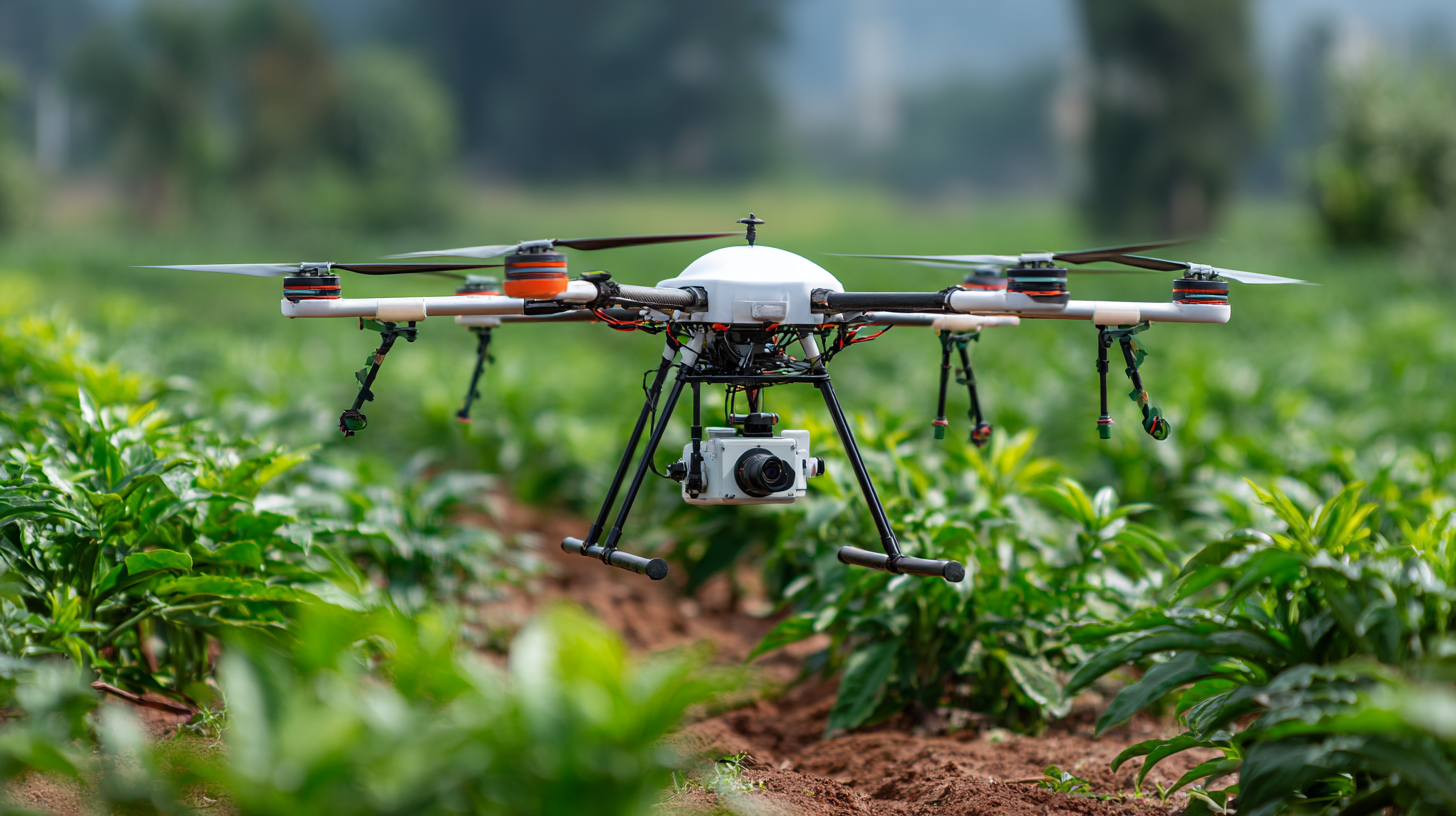
Now, let’s chat about multi-rotor UAVs! These little drones are all about versatility and precision, which is totally key when you need to be spot-on with your applications. They can hover and zip around in tight spots, which makes them ideal for detailed mapping and targeted spraying, especially in smaller fields or oddly shaped plots. Plus, a lot of the newer multi-rotor models come loaded with high-res cameras and sensors that gather real-time data, empowering farmers to make smarter choices about their crop health and how to manage things. Getting the hang of these differences really helps folks pick the right UAV to nail their plant protection game.
Assessing Compatibility of UAVs with Different Agricultural Products
So, when you’re picking out the right drones for farming, it’s super important to make sure they click well with different farming products. I mean, have you seen the latest buzz? The global market for agricultural drones is expected to hit a whopping $6 billion by 2025, and a big chunk of that is thanks to precision farming techniques. It’s really crucial to look into how various drone models handle specific stuff like pesticides and fertilizers, you know? For example, there are some drones out there that come with nifty nozzles and delivery systems that help apply these products evenly. This means less waste and better results when it comes to using chemicals.
But hey, it’s not only about how the drone looks—its performance matters too. I read somewhere that in areas focused on sustainability and being efficient, UAVs for crop protection can be adopted at rates hitting 60%. Pretty impressive, right? It just shows how vital it is to pair up the drone’s specs with what you want to achieve in your farming. Things like how much weight they can carry, how long they can fly, and the technology they use for spraying are all key factors. This way, farmers can really boost their yields while still keeping everything safe and sound.
Regulatory Compliance: Navigating the Certification Process
Navigating the world of import-export certifications can be a bit of a maze, but it's super important when it comes to choosing the right plant protection drones. These certifications are what make sure that drones comply with international safety and efficiency standards—basically, they help us get the most out of these high-tech gadgets in agriculture and industry. When companies play by the rules, it not only boosts the reliability of these drones, but it also builds trust with customers and industry stakeholders. And let’s be honest, as businesses are under more pressure to be sustainable these days, really getting to know the certification process is key if you want to stay ahead in such a fast-moving market.
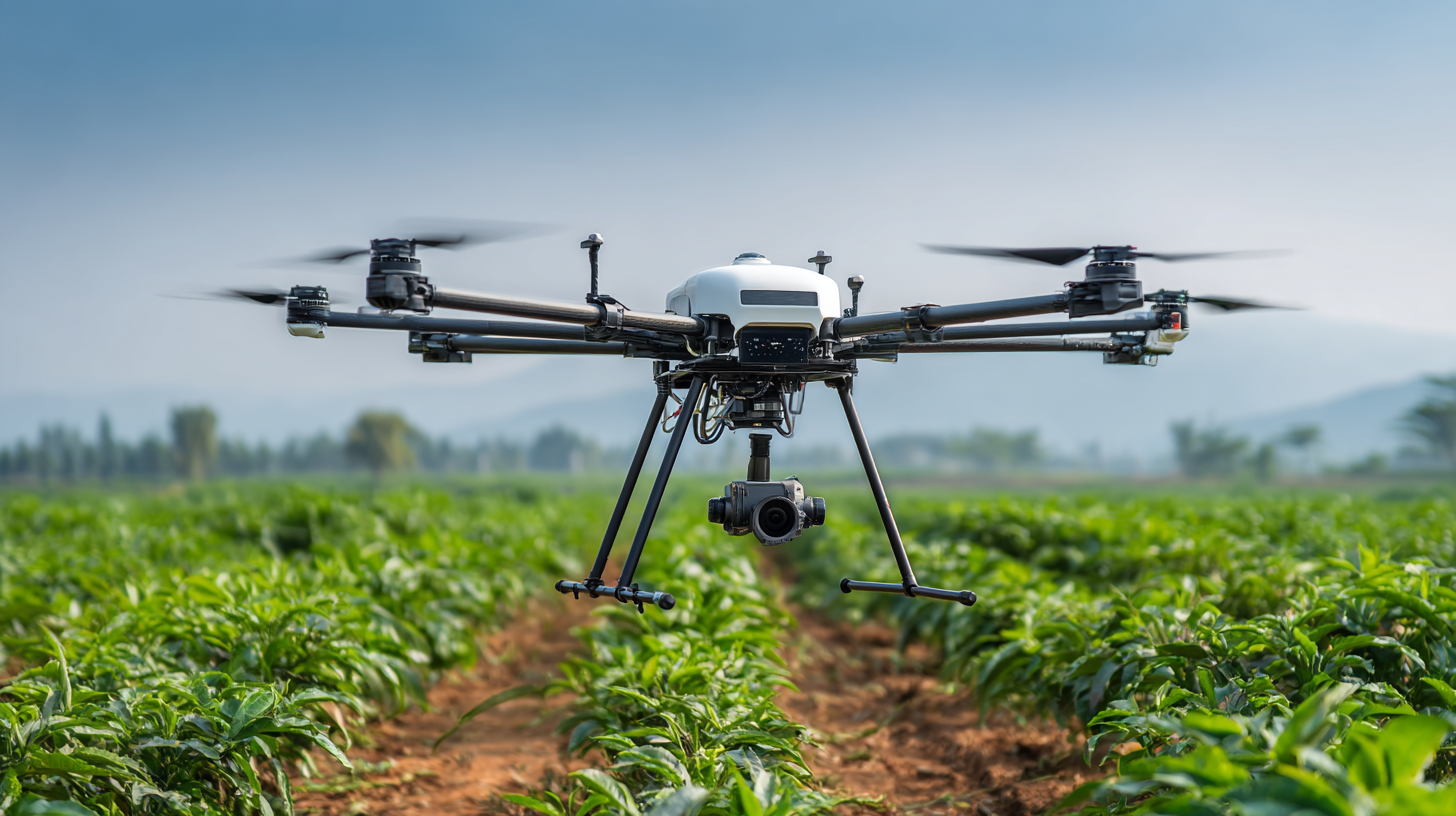
Here at Xuzhou Boran Machinery Co., Ltd., we’re all about leading the way with UAV technology that meets these regulations head-on. We put a lot of thought and creativity into designing our drones, aiming to ramp up agricultural productivity while sticking to the strictest compliance measures. By simplifying the certification process, we help our clients make smarter choices when picking UAVs for plant protection, so they’re not just investing in something that works well, but also something that’s sustainable and meets global rules.
Focusing on keeping things compliant in our development work, we want to set new standards in the UAV industry. This way, we empower our customers to hit their operational goals more effectively. It’s all about making a difference, you know?
Optimal Selection Strategies for UAVs Based on Crop Types
You know, the agricultural world is really going through a shake-up right now, all thanks to these amazing drones, or as they're officially called, unmanned aerial vehicles (UAVs). They're being specifically designed for different kinds of crops, which is pretty cool, because it’s super helpful for boosting efficiency and yield. But hey, if you're looking for the right UAV to help protect your plants, it’s super important to think about what those crops actually need. Each crop has its quirks when it comes to keeping pests at bay and managing nutrients, so having UAVs tailored for those needs is becoming more essential than ever.
So, here’s a handy tip: when you're on the hunt for a UAV, check out its ability to carry different sensors. These sensors can specifically address the pest and nutrient requirements of your crops. For example, using real-time imaging to monitor nitrogen levels can really amp up fertilizer efficiency while also keeping things sustainable. And don't forget to look into the UAV’s path planning capabilities! Optimizing routes is key to getting better coverage and reducing any operational risks, especially when conditions are a bit sketchy.
With AI and automation taking the spotlight, diving into technologies that support Variable Rate Application (VRA) can be a game changer. This helps in spreading nutrients just right for what your crops need, leading to not just better yields but also smarter resource management. It’s crucial for farmers to stay in the loop about all the latest tech, making sure their UAVs are ready to tackle the constantly shifting challenges in crop protection and management.
Future Trends in UAV Technology for Plant Protection Applications
You know, the way UAV technology is evolving really is changing how we approach plant protection all around the world. There’s this report from MarketsandMarkets that says the agricultural drones market could hit a whopping USD 6.5 billion by 2026, which is a crazy growth of 30.2% annually since 2021! This surge is mainly because farmers are looking for precision agriculture solutions that help them keep a closer eye on their crops and tackle pesky pests more effectively. With UAVs that come packed with advanced sensors and imaging tech, farmers can gather real-time data, helping them make smarter decisions and even cut down on chemical use by as much as 20%, as noted by the American Society of Agricultural and Biological Engineers.
Looking ahead, it seems like we’re going to see a big trend towards automation and the integration of AI in UAVs for plant protection. Thanks to some cool developments in machine learning, these drones can now spot specific plant diseases or pest problems, which means interventions can be really targeted. A study from ResearchAndMarkets suggests that adding AI could boost crop yields by 30% and cut costs by 25%. And as the rules around UAV certifications keep changing, it’s going to be super important for those in agriculture to jump on these tech trends to stay efficient and compliant in this ever-changing farming landscape.
FAQS
: The global agricultural drone market is projected to reach $6 billion by 2025.
Compatibility is essential to ensure UAVs effectively handle specific products like pesticides and fertilizers, leading to uniform application and improved efficacy.
Key factors include payload capacity, flight duration, spraying technology, and the specific needs of the crops being treated.
The adoption rates can be as high as 60% in regions that prioritize sustainability and efficiency.
UAVs should have the capability to carry various sensors for pest monitoring and nutrient management, tailored to the specific crop types.
VRA allows for precise nutrient distribution tailored to the needs of crops, enhancing yields and improving resource management.
Real-time imaging can increase fertilizer efficiency by monitoring nitrogen levels, contributing to sustainable farming practices.
Optimized routes can enhance coverage and minimize operational risks, especially under threatening conditions.
Specialized nozzles ensure uniform application of chemicals, reducing waste and improving the effectiveness of their use.
The integration of AI and automation supports advanced technologies for precision farming, improving crop protection and management.