Leave Your Message
Request a Quote
0%

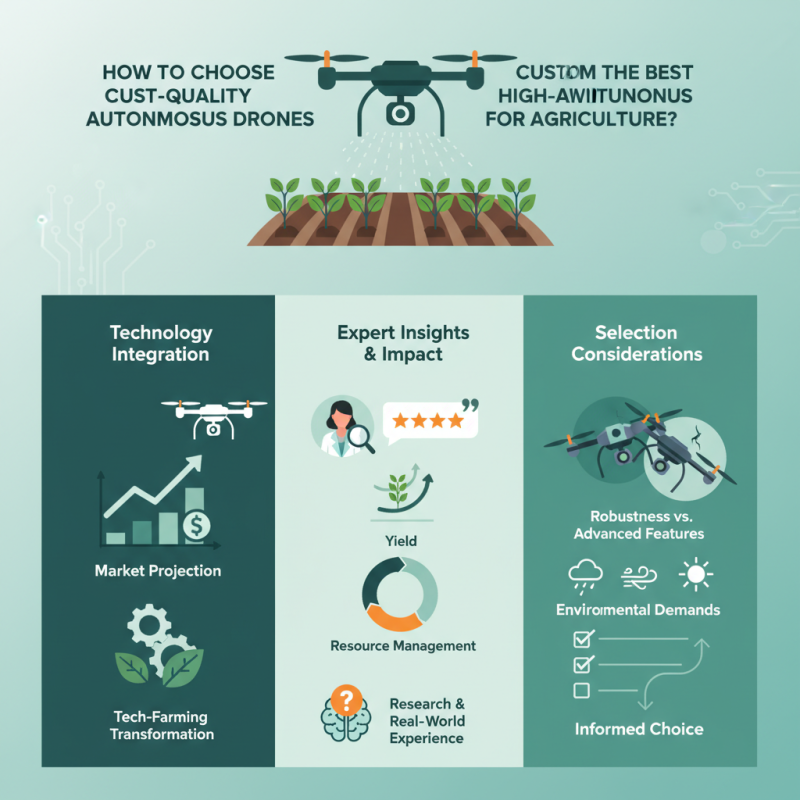
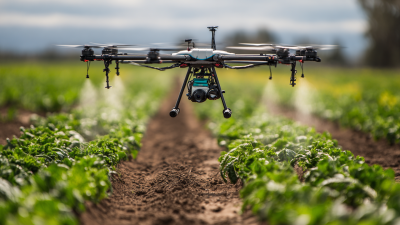
Lately, technology has really started changing how we farm — it’s quite the shift. One of the biggest game-changers is autonomous drones in agriculture. These little guys are leading the charge in transforming farms. According to a report from Precision Agriculture back in 2022, the market for Ag Drones is expected to hit around $6 billion by 2026. That just shows how much farmers are looking for top-notch, custom solutions. And it’s not just about boosting productivity — these drones also help make crop management way more efficient.

Experts like Dr. Emma Thompson, who’s a pretty well-known researcher in ag tech, say things like, "The right drone can really make a difference when it comes to yield and resource use on farms." That really highlights how crucial it is to pick the right autonomous drone, tailored to what a specific farm actually needs. But let’s be honest — with so many options out there, it can pretty easily become overwhelming for farmers. Some drones come packed with fancy features, but might not be sturdy enough or built tough enough for the harsh conditions out in the field.

Choosing a quality autonomous drone isn’t something to take lightly. It’s all about matching performance to the environment. Not all drones are created equal, and some might fall short in the areas that matter most for real-world farming. Getting a good grip on these little differences is key for farmers thinking about investing in these technologies. And honestly, the real-world experiences often reveal those hidden shortcomings, leading many farmers to rethink their choices and make better-informed decisions.
How to Choose the Best Custom High Quality Autonomous Drones for Agriculture?

Understanding the Role of Drones in Modern Agriculture

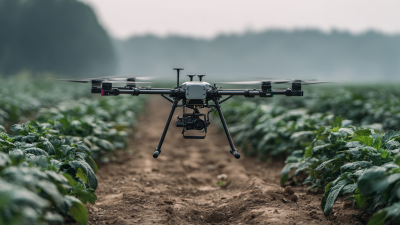
Drones have transformed modern agriculture. They enhance crop monitoring, irrigation management, and pest control. According to recent reports, the Agriculture Drone market is expected to reach $4.8 billion by 2026, demonstrating their growing importance.

Farmers use drones for precise data collection. High-resolution imaging helps assess crop health and soil conditions. A study showed that farmers using drones could reduce inputs by 20% while increasing yields by 15%. This efficiency allows for more sustainable practices, crucial in addressing global food demands.

Challenges remain in drone integration. Not all farmers have access to advanced technology. Training is essential to maximize benefits. Additionally, regulatory hurdles could hinder widespread adoption. As agriculture evolves, ongoing evaluation is necessary to improve these technologies and make them accessible.

Key Features to Look for in Custom High-Quality Drones

When choosing custom high-quality autonomous drones for agriculture, several key features stand out. The payload capacity is vital. Farmers need drones that can carry necessary equipment, such as cameras and sensors. A heavier payload often means more capability for monitoring crops. Battery life is another critical aspect. A longer battery life ensures that the drone can cover larger areas without needing frequent recharges. This is essential when dealing with expansive fields.

The drone's navigation system must be robust. Advanced GPS and obstacle avoidance features enhance safety and efficiency. Farmers should look for systems that adapt well to varied terrain. Data collection capabilities also play a significant role. High-resolution cameras and multispectral sensors allow for precise crop monitoring. However, it’s important to consider the types of data that are most beneficial for specific farming needs.

Cost is a crucial factor, yet it shouldn’t compromise quality. A cheaper drone may have limited features, leading to potential inefficiencies. Regular maintenance should also be taken into account. An ideal drone might require more time and resources to maintain. Thus, reflecting on both the benefits and challenges of a drone's integration into farming practice is crucial.

Assessing the Technological Specifications of Agricultural Drones

When selecting agricultural drones, understanding technical specifications is crucial. Drones play a vital role in modern farming. They enhance efficiency and precision in crop monitoring and management. Features like flight time, payload capacity, and image resolution can significantly impact overall performance.

High-quality sensors are essential for accurate data collection. Multispectral cameras, for instance, provide insights into plant health. They help farmers make informed decisions. Additionally, consider the drone's range and stability in various weather conditions. Some models perform poorly in windy environments.

Battery life is another critical factor. Drones that require frequent recharging can disrupt workflows. Achieving optimal results with Autonomous Drones For Farming often requires a balance of functionality and reliability. Aim for drones that offer user-friendly interfaces but don't compromise on performance. In the end, thoughtful evaluation of these specifications can lead to better crop yields.

Evaluating the Usability and Aerial Performance of Drones

When evaluating the usability and aerial performance of drones for agriculture, practical experience matters. Farmers often prefer hands-on trials to understand how an Autonomous Agriculture Drone performs in real scenarios. This approach allows for an assessment of ease of use and adaptability to various farming landscapes.

A drone’s flight time, payload capacity, and imaging quality are crucial. These factors directly influence its effectiveness in monitoring crops and assessing fields. It's essential to think critically about how well a drone can handle diverse terrains. Some drones may struggle in windy conditions or fail when navigating between trees. Noticing these details can lead to better decisions.

Additionally, user feedback can provide insight into long-term usability. Farmers often report challenges with software interfaces and image processing speeds. Some features might seem appealing but may not work as intended in the field. Understanding these nuances is vital when selecting an Autonomous Agriculture Drone that meets specific farming needs. An informed choice can significantly boost farm productivity, enhancing overall agricultural practices.

Cost Considerations: Budgeting for Custom Agricultural Drones

Budgeting for custom agricultural drones requires careful planning. The costs can vary significantly depending on features and capabilities. Basic models may seem appealing, but might lack the technology needed for efficiency. Advanced options include multispectral cameras and GPS capabilities, which enhance precision in farming. These additional features can drive the price up, but they often lead to better crop yields.

Maintenance is another vital cost to consider. Drones require regular servicing to function optimally. A budget should account for these ongoing expenses, not just the initial purchase price. Training staff to operate these drones adds another layer of expenditure. Investing in training ensures that farmers can maximize the potential of their Drones And Agriculture.

Calculating return on investment (ROI) can be complex. Farmers may need to estimate potential savings from reduced labor or better crop management. Some might find that the benefits outweigh the costs while others might not. Regularly reviewing the finances and outcomes can help in making informed decisions about Drones And Agriculture.

Cost Considerations for Custom Agricultural Drones

Comparing Manufacturers: Finding Trusted Drone Suppliers

How to Choose the Best Custom High Quality Autonomous Drones for Agriculture?

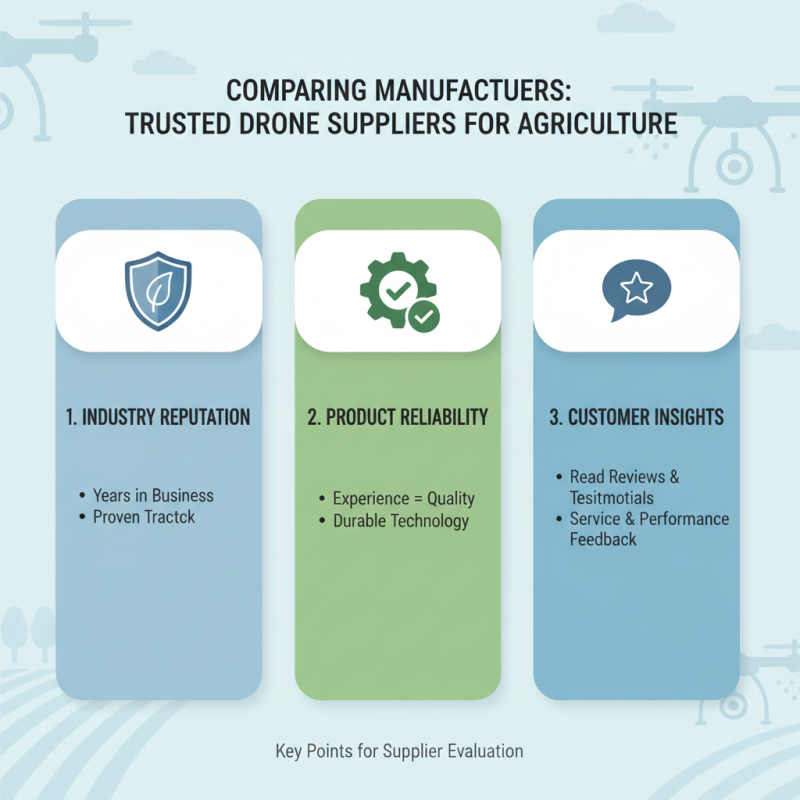
When selecting a trusted drone supplier for agriculture, it's essential to evaluate various manufacturers thoroughly. Start with their reputation in the industry. Look for companies that have been established for years. Experience often correlates with reliability in product quality. Customer reviews can provide insights into their service and drone performance.

Next, consider the technology used in their drones. High-quality models should have advanced sensors and long battery life. Compare the specifications offered by different manufacturers. It’s not just about the price; sometimes, cheaper options can lead to costly replacements. Ask for case studies or testimonials from other agricultural users. This can help gauge the effectiveness of their drones in real-world scenarios.

Supplier support is another critical factor. Reliable after-sales service can make a big difference. If issues arise, prompt assistance is necessary. Reflect on how companies address customer inquiries. Personal communication can indicate a company’s commitment to their clients. Stay informed about industry trends to identify emerging manufacturers as well. This landscape is constantly changing, and new players may offer innovative solutions.

Exploring Regulatory Requirements for Agricultural Drone Use

When considering the use of Agriculture Spraying Drones, understanding regulatory requirements is essential. Regulations can vary by region and may dictate where, when, and how drones can be operated. This includes restrictions on airspace, altitude limits, and necessary permits. Familiarize yourself with local laws to ensure compliance. Non-compliance can lead to hefty fines and operational setbacks.

Tips: Always check the Federal Aviation Administration (FAA) guidelines and local agricultural regulations prior to use. It’s important to keep documents readily accessible. Consulting a local legal expert can clarify ambiguous regulations that may affect your drone operations.

Training is another critical aspect. Operators should be well-versed in both drone technology and the agricultural practices they aim to enhance. Many regions require certification for drone pilots, especially for commercial use. Skipping this step could mean being unable to utilize Agriculture Spraying Drones effectively.

Don’t underestimate the importance of safety. Accidents can happen even to skilled operators. Risk assessments before flight are vital. Keeping up-to-date with any changes in regulations can help mitigate legal issues and improve operational efficiency. Regular reviews of your compliance practices can reveal gaps that need addressing.

Innovative Applications and Advantages of XC02 Hydrogen Energy Drones in Modern Industries

The advent of XC02 hydrogen energy drones marks a significant leap forward in the application of renewable energy technologies within various industries. These innovative drones are not only designed to overcome the limitations of traditional energy sources but also offer an eco-friendly alternative that aligns with global sustainability goals. The utilization of hydrogen fuel cells allows these drones to achieve longer flight times and higher efficiency, making them ideal for tasks such as agricultural monitoring, infrastructure inspection, and disaster response.

One of the most notable advantages of XC02 hydrogen energy drones is their ability to operate in remote or challenging environments where conventional energy sources are impractical. Their lightweight design and extended operational capabilities enable them to cover vast areas quickly, providing crucial data and insights that can drive decision-making in industries like agriculture and energy. Additionally, these drones can contribute significantly to reducing carbon emissions, promoting a cleaner, greener approach to industrial operations.

Furthermore, the versatility of XC02 hydrogen energy drones allows for the integration of advanced technologies such as AI and machine learning. This synergy enhances their functionality, enabling real-time data analysis and autonomous operation. As industries continue to seek innovative solutions to tackle pressing environmental challenges, the role of hydrogen energy drones will likely expand, paving the way for a more sustainable future in industrial practices.

FAQS

: How do drones benefit modern agriculture?

: Drones enhance crop monitoring, pest control, and irrigation management, improving farming efficiency and sustainability.

What data do farmers collect using drones?

High-resolution images help farmers assess crop health and soil conditions for informed decision-making.

What challenges do farmers face with drone integration?

Access to technology, required training, and regulatory hurdles limit widespread adoption of drones in farming.

What should I consider when choosing a drone supplier?

Evaluate the supplier's reputation, technology, customer reviews, and after-sales support before making a decision.

Why is operator training important for using drones?

Well-trained operators maximize drone capabilities and comply with regulations, boosting operational efficiency and safety.

What regulations must be followed when using agricultural drones?

Regulations vary by region and include airspace restrictions, altitude limits, and required permits for operation.

How can I stay compliant with drone regulations?

Regularly check local laws, keep documentation accessible, and consult legal experts to clarify ambiguities.

What safety measures should drone operators consider?

Conduct risk assessments before flights and ensure operators are trained to handle potential accidents properly.

How can farmers verify the effectiveness of a drone?

Request case studies or testimonials from other agricultural users to assess real-world performance.

What should I do if I encounter issues with my drone supplier?

Reflect on their support responsiveness and communication style; a reliable supplier should provide prompt assistance.

Conclusion

In the rapidly evolving field of agriculture, autonomous drones are becoming essential tools for enhancing productivity and efficiency. Understanding their role in modern farming is crucial, as these innovative devices can help with tasks such as crop monitoring, pest control, and soil assessments. When selecting custom high-quality autonomous drones for agriculture, it is important to consider key features that align with specific farming needs, such as payload capacity, flight duration, and imaging capabilities. Technological specifications should also be thoroughly assessed to ensure that selected drones can handle various agricultural tasks effectively.

Usability and aerial performance are critical factors that impact the overall effectiveness of autonomous drones in agriculture. Additionally, budget considerations play a significant role in the decision-making process, as investing in the right technology requires careful financial planning. Evaluating potential manufacturers for their reliability and service offerings is vital, and prospects must also take into account regulatory requirements governing the use of drones in agricultural settings. Ultimately, informed decisions can lead to enhanced agricultural productivity through the use of autonomous drones.

Lila

Lila

Lila is a dedicated marketing professional at Xuzhou Boran Agricultural Machinery Co., Ltd., where she plays a crucial role in promoting the company’s innovative farming equipment. With a deep understanding of the agricultural machinery industry, Lila possesses extensive knowledge of the unique......
Previous Why Choose Agro Drones for Efficient Farming Solutions?