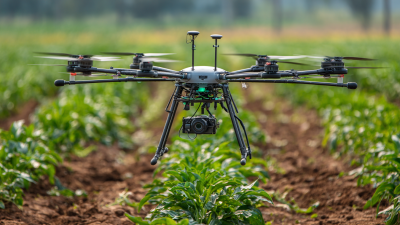
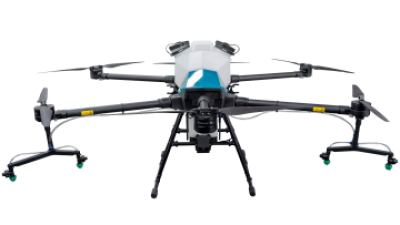
When it comes to improving crop yields and making farming a bit easier, using modern tech is becoming more and more of a must. One of the coolest innovations out there right now is Crop Drones. These high-tech, unmanned flying machines let farmers keep an eye on their fields, check on how healthy their crops are, and fine-tune how much stuff they’re putting in the soil — all in ways that, honestly, used to seem like science fiction. But here’s the thing: with so many different drones and options popping up, figuring out which one is right for your farm can feel kinda overwhelming.
If you really want to get the most out of a crop drone, it’s important to think about a few key things—like how good the drone’s cameras are, how long it can fly without needing a recharge, how much weight it can carry, and whether it plays well with data analysis tools. Knowing how each of these features can boost your farm’s productivity is honestly the secret to making a smart choice. Also, it’s worth looking into how much support and training the manufacturers offer because that can make or break how smoothly you get things up and running.
By taking all these factors into account, farmers can pick the drone that’ll work best for them. That means better crop management, higher yields, and a farm that’s a bit more eco-friendly. Embracing these kinds of new tools isn’t just about staying current — it’s about creating a future where precision farming becomes the standard, and honestly, that’s kinda exciting.
Understanding Your Agricultural Needs and Goals
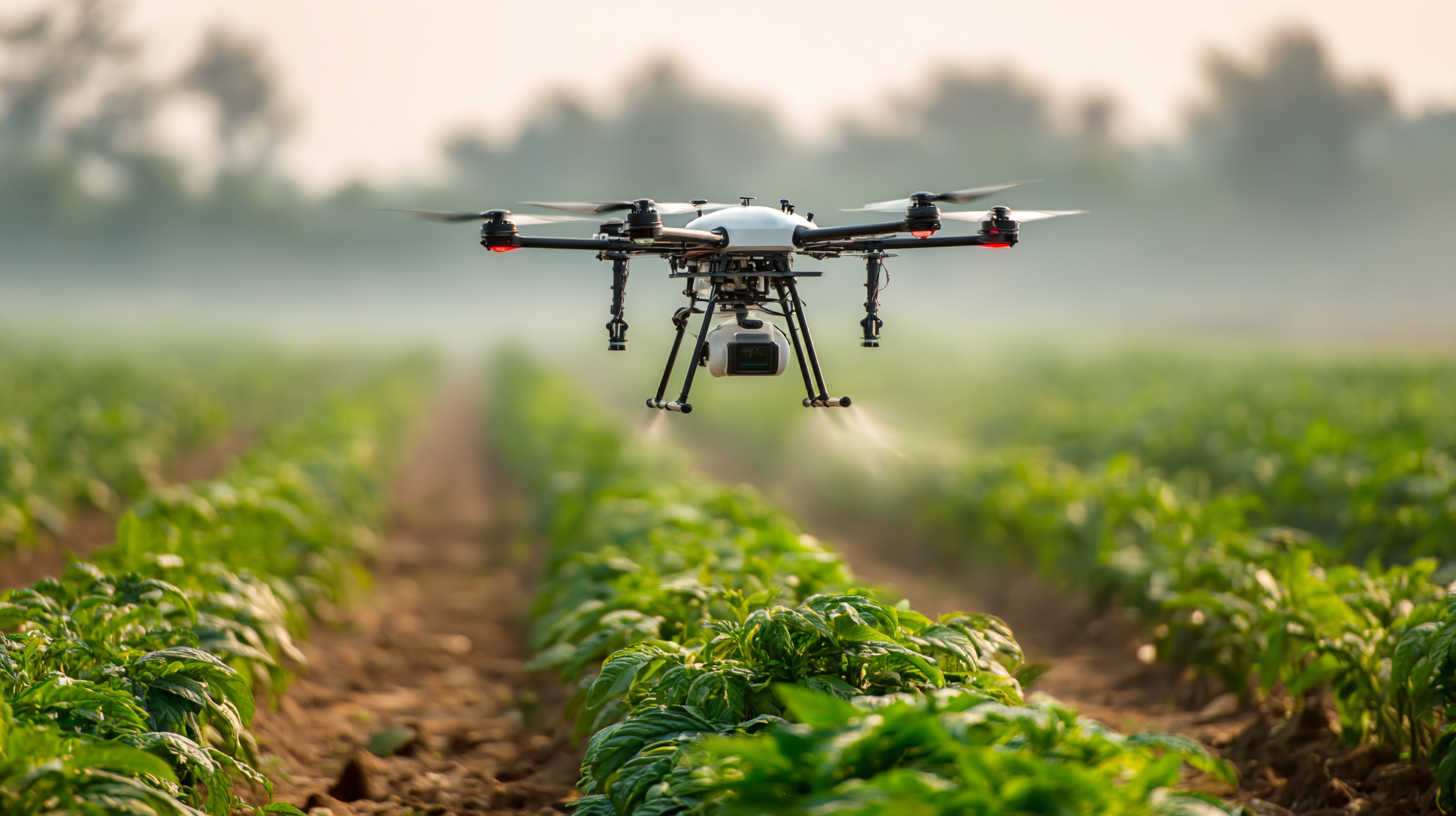
When selecting the Best Crop Drone for maximizing agricultural productivity, it is essential to first understand your specific agricultural needs and goals. According to the 2021 Precision Agriculture Market Analysis report, the use of drones in agriculture can increase crop yields by up to 15% through enhanced monitoring and precise management of crop health. Identifying key areas such as terrain type, crop type, and the scale of operations will guide farmers in choosing a drone that fits their environment.
Furthermore, a study by the American Society of Agronomy highlighted that tailored drone applications such as multispectral imaging can provide actionable insights for nitrogen management, potentially reducing fertilizer costs by 20%. This alignment of technology with specific agricultural objectives not only optimizes resource use but also contributes to sustainable practices. By evaluating goals—be it improving yield, monitoring irrigation, or detecting pests—farmers can better determine which features, such as flight time, payload capacity, and sensor type, in a drone are most critical to meet their requirements effectively.
Key Features to Look for in Crop Drones
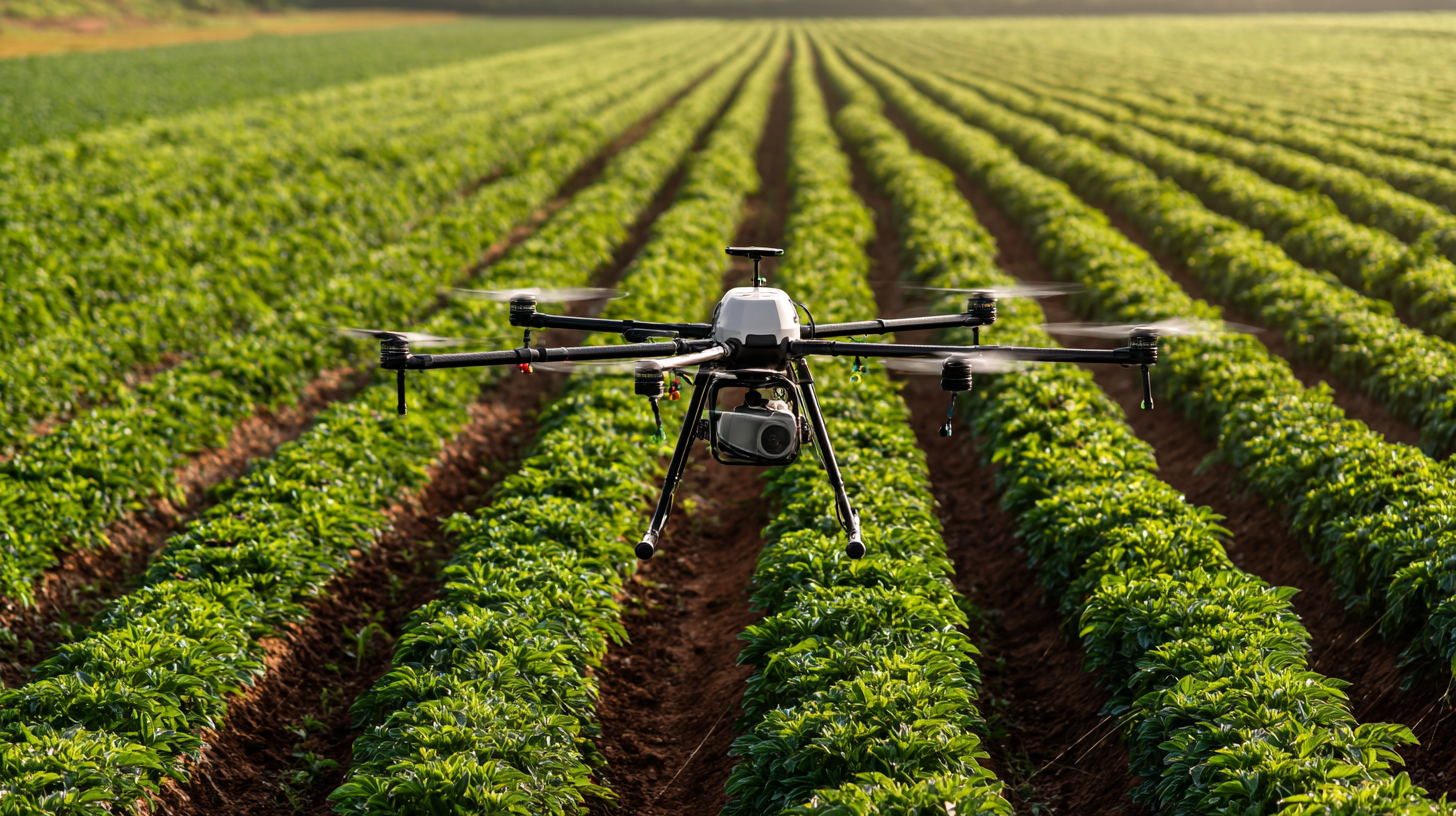
When selecting the best crop drone for enhancing agricultural productivity, it is crucial to consider several key features that can significantly impact your farming operations. First and foremost, the drone’s camera technology is vital. High-resolution RGB cameras, thermal sensors, and multispectral imaging capabilities can provide detailed insights into crop health, moisture levels, and nutrient deficiencies. These features allow farmers to make informed decisions about irrigation, fertilization, and pest management, ultimately leading to higher yields.
Another important aspect to evaluate is the drone's flight time and coverage area. A longer battery life enables the drone to cover larger fields in a single flight, saving time and reducing operational costs. It’s also essential to consider the drone’s ease of use and compatibility with agricultural software. Features like automated flight planning and real-time data processing can streamline the data collection process, making it easier for farmers to analyze the information and implement necessary interventions. By focusing on these key features, farmers can choose a crop drone that not only meets their specific needs but also maximizes their overall productivity.
Comparing Different Types of Crop Drones for Efficiency
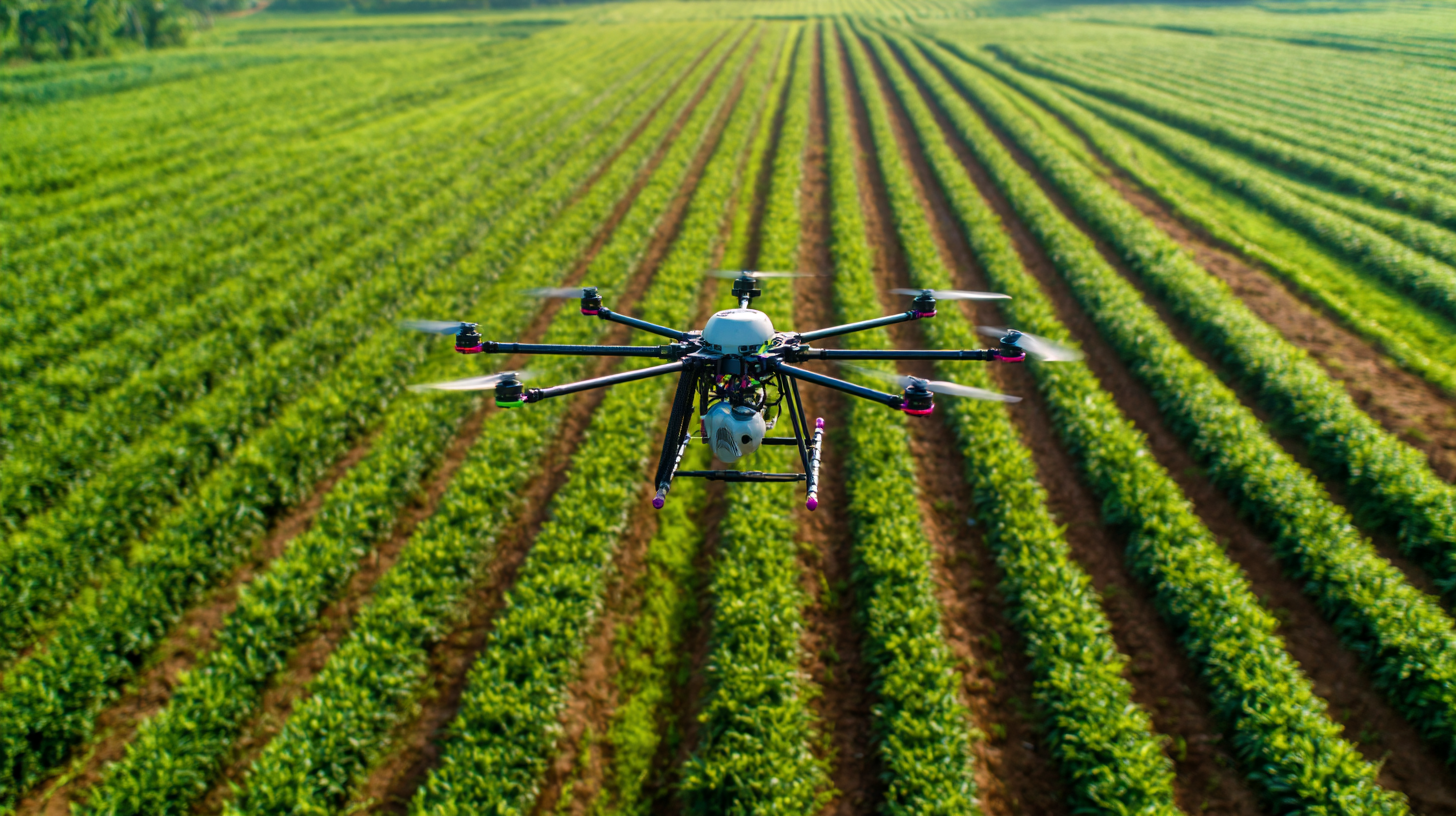
When choosing the best crop drone for maximizing agricultural productivity, it is crucial to compare the various types of drones available in the market. Drones are revolutionizing agriculture through applications such as crop monitoring, precision data collection, and real-time health assessments. According to recent studies, the integration of drones in precision agriculture can lead to yield increases of up to 15%, demonstrating their efficacy in optimizing productivity. Furthermore, hybrid VTOL UAV technologies are emerging as a prominent choice due to their efficiency and customization options, making them suitable for diverse agricultural needs.
In addition to standard crop monitoring, drones equipped with advanced sensors facilitate UAV crop scouting, which allows farmers to detect specific issues such as pest infestations and nutrient deficiencies early on. This proactive approach not only enhances the efficiency of resource use but also supports sustainable farming practices. The ability of drones to integrate with satellite imagery further enriches the data pool, enabling farmers to make informed decisions that align with precision agriculture goals. As such, selecting the right type of crop drone tailored to specific agricultural applications is essential for achieving maximum efficacy and productivity in modern farming.
Budgeting for Your Ideal Crop Drone Investment
When considering an investment in crop drones, budgeting plays a critical role in maximizing agricultural productivity. The emergence of advanced agricultural technologies, including drones, has significantly impacted farming practices. For instance, a report by the Agricultural Drone Market indicates that the global agri-drone market is projected to reach $6.5 billion by 2026, with a compound annual growth rate (CAGR) of 32% from 2021 to 2026. This highlights not only a growing interest but also the potential economic benefits associated with adopting drone technology in agriculture.
To determine the ideal budget for a crop drone, farmers must first assess their operational needs. High-resolution imaging and multispectral capabilities can be essential for precision farming but often come at a higher cost. According to a 2022 survey by the International Society of Precision Agriculture, producers who invested in drones reported an average yield increase of 15%, indicating a direct correlation between drone technology and productivity enhancements. Additionally, ongoing maintenance and software subscription fees should be factored into the initial expenditure to ensure long-term utility and efficiency. By meticulously planning and allocating funds towards these technologies, farmers can position themselves to reap substantial rewards in both productivity and sustainability.
How to Choose the Best Crop Drone for Maximizing Your Agricultural Productivity - Budgeting for Your Ideal Crop Drone Investment
| Drone Model | Price ($USD) | Flight Time (minutes) | Payload Capacity (kg) | Camera Resolution (MP) |
| Model A | 1,200 | 30 | 2.5 | 12 |
| Model B | 1,800 | 35 | 5.0 | 20 |
| Model C | 2,500 | 40 | 3.0 | 24 |
| Model D | 2,000 | 30 | 4.0 | 16 |
Integration of Drone Technology with Existing Farming Practices
The integration of drone technology with existing farming practices has revolutionized agricultural productivity, offering farmers innovative tools to enhance their operations. Drones equipped with advanced sensors and imaging technology can provide high-resolution aerial imagery, enabling farmers to monitor crop health, assess soil conditions, and identify areas that require attention. This real-time data allows for precision agriculture strategies, ensuring that resources such as water, fertilizers, and pesticides are applied efficiently, thus maximizing yields and minimizing waste.
Moreover, the seamless incorporation of drones into traditional farming methods enhances operational efficiency. Farmers can leverage drones for various tasks, such as planting seeds, conducting field surveys, and even performing crop scouting. The ability to collect and analyze data swiftly empowers farmers to make informed decisions quickly. By maintaining synergy between drone technology and conventional practices, agricultural operations can achieve higher productivity levels while also promoting sustainable farming techniques. As the agricultural landscape continues to evolve, embracing such technology will be crucial for farmers aiming to increase their competitive edge and ensure long-term viability.
Comparison of Crop Yield Improvement with Drone Technology
Evaluating After-Sales Support and Training Options for Drones
When selecting the best crop drone for agricultural productivity, evaluating after-sales support and training options is crucial for ensuring optimal usage and ongoing efficiency. According to a 2022 report by MarketsandMarkets, the global agricultural drone market is projected to reach $6.4 billion by 2026, highlighting the growing reliance on this technology for enhancing crop management and yield optimization. However, the effectiveness of such investments largely depends on how well farmers and agronomists can utilize these tools.
Robust after-sales support can significantly influence the user experience. A survey by DroneDeploy indicated that 70% of users considered the availability of technical support as a key factor when choosing a drone supplier. This is essential for troubleshooting and maintenance, as drones can encounter various operational challenges. Furthermore, comprehensive training programs ensure that users are well-acquainted with the software and hardware, which can lead to more accurate data collection and enhanced decision-making. According to a Precision Agriculture report, farmers who received training on drone operation achieved a 20% increase in farming efficiency within the first year of use, underscoring the value of investing in both support and educational resources.
Revolutionizing Crop Management: The Impact of BR 16 Agricultural Drone on Precision Spraying and Dusting
The evolution of agricultural practices is undergoing a significant transformation with the introduction of advanced technologies. One of the most noteworthy innovations is the BR 16 Agricultural Drone, which is revolutionizing crop management through precision spraying and dusting techniques. Reports from the Agricultural Drones Market analysis predict that the market for agricultural drones will grow at a compound annual growth rate (CAGR) of 28.5% from 2021 to 2028, highlighting the increasing reliance of farmers on drones for efficient crop management.
The BR 16 drone stands out due to its ability to optimize spraying processes, ensuring chemicals are evenly distributed while minimizing waste. Data from a study by the Precision Agriculture Institute indicates that using drones can reduce pesticide usage by up to 30% while improving crop yields by as much as 15%. This capability not only enhances the effectiveness of pest control but also contributes to sustainable farming practices by limiting the impact on the environment.
Additionally, the drone's dusting functionality enhances its utility in various agricultural applications. By employing advanced GPS and imaging technologies, the BR 16 can navigate with precision, even in challenging terrains. The National Agricultural Statistics Service reported that the use of drones in crop monitoring and treatment has increased efficiency by 40%, allowing farmers to manage larger areas with fewer resources. As the agricultural sector embraces these technological advancements, the BR 16 drone proves to be an essential tool in the quest for smarter, more environmentally friendly farming solutions.
FAQS
: Drones can increase crop yields by up to 15% through enhanced monitoring and precise management of crop health.
Key factors include terrain type, crop type, and the scale of operations, which help guide farmers in selecting the appropriate drone.
Tailored drone applications, such as multispectral imaging, can provide actionable insights that may reduce fertilizer costs by 20%.
Drones can be used for monitoring crop health, assessing soil conditions, planting seeds, conducting field surveys, and performing crop scouting.
Drones provide high-resolution aerial imagery and real-time data, allowing farmers to make informed decisions quickly and apply resources more efficiently.
Precision agriculture is a farming management concept that uses technology to monitor and optimize field variability in crops. Drones contribute by delivering real-time data for resource management.
Farmers should consider features such as flight time, payload capacity, and sensor type based on their specific agricultural goals.
Integrating drone technology enhances productivity by allowing farmers to implement efficient resource management while promoting sustainable farming techniques.
Real-time data allows for immediate analysis and decision-making, helping farmers to respond quickly to crop health and soil condition changes.
Embracing drone technology will provide farmers with a competitive edge and ensure long-term viability as agricultural practices continue to evolve.
Conclusion
In the pursuit of maximizing agricultural productivity, selecting the right crop drone is essential. Begin by understanding your specific agricultural needs and goals, as this will guide you in identifying the key features that enhance efficiency, such as payload capacity, flight time, and imaging capabilities. With various types of crop drones available, it’s important to compare their functionalities to determine which best aligns with your operational requirements.
Budgeting for your ideal crop drone investment is also critical, ensuring that you not only acquire the equipment but also consider the integration of drone technology with your existing farming practices. Additionally, evaluating after-sales support and training options will enhance the successful implementation of drone solutions. Companies like Xuzhou Boran Machinery Co., Ltd. are dedicated to providing innovative and sustainable crop drone solutions, ensuring that farmers can effectively harness UAV technology to improve their productivity and sustainability in agriculture.