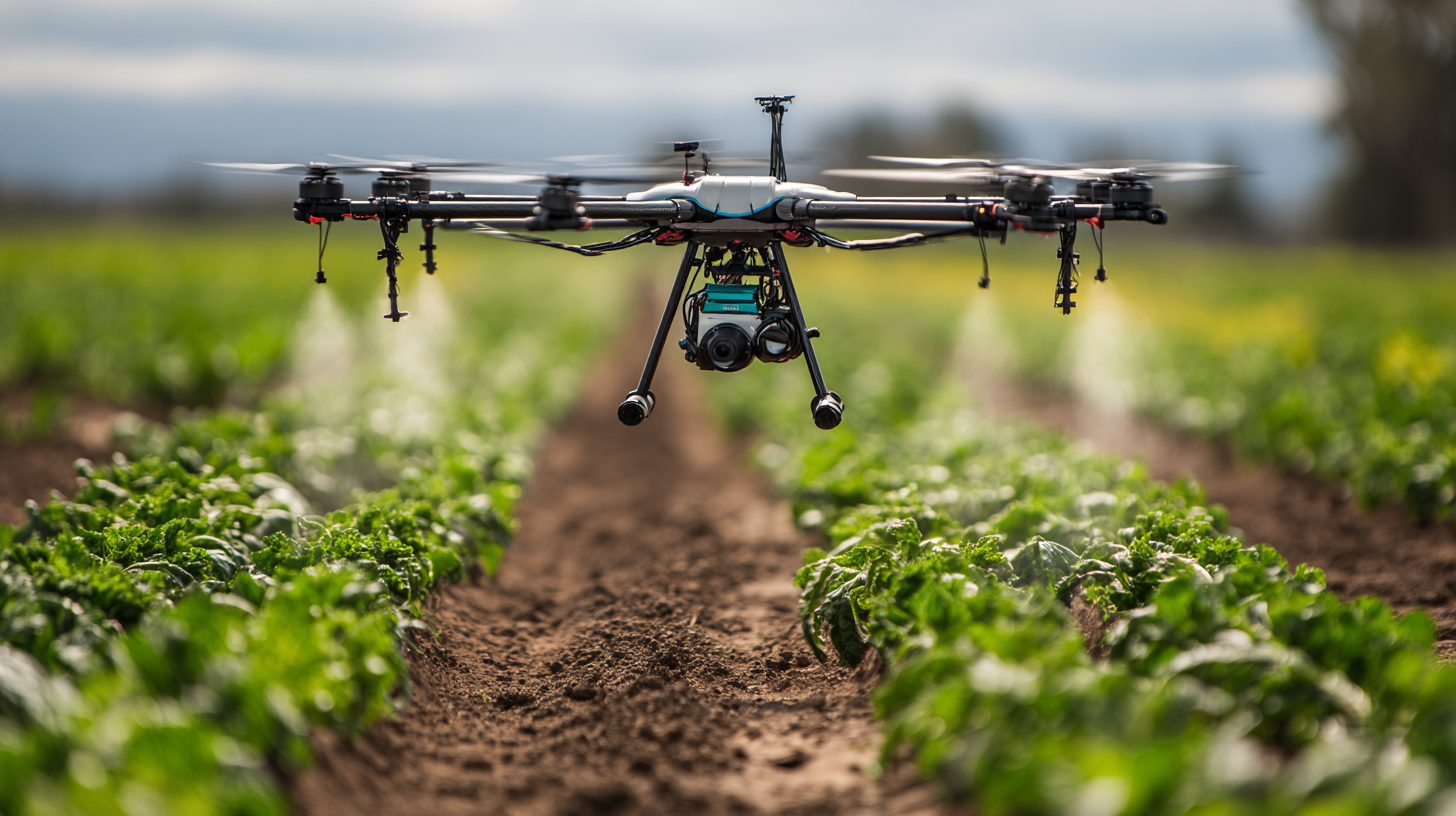
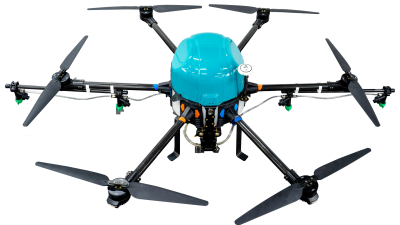
Lately, agricultural drone spraying has really started to shake things up in modern farming. It’s an innovative solution to some pretty old-school challenges farmers have been dealing with for ages. Over here at Xuzhou Boran Machinery Co., Ltd., we’ve been leading the way in drone tech, especially in developing high-tech drones that are perfect for farming and industrial work. Our goal is to change the game—making things more efficient, innovative, and sustainable with our drone solutions. As farming gets more competitive these days, more farmers are turning to drone spraying because of its many perks—like saving time, cutting down on labor costs, and applying pesticides with pin-point accuracy. In this blog, I’ll share five Solid reasons why agricultural drone spraying is truly changing the way we farm—pushing productivity and sustainability to new heights with these futuristic tools.
Benefits of Precision Agriculture Through Drone Spraying Technology
You know, agricultural drones really are changing the game when it comes to precision farming. They make applying pesticides and fertilizers much more accurate—it's almost like having a tiny, smart assistant flying over your fields. Not only does this mean you'll use fewer chemicals, which is better for the environment, but it also helps target specific spots where your crops are under stress. So, instead of spraying everything equally, the drones focus where they’re really needed. Thanks to cool imaging and mapping tech, farmers can create very detailed plans for treatment, helping to boost yields while also saving resources.
On top of that, using drones for spraying really ramps up efficiency on the farm. Gone are the days of slow, labor-heavy spraying methods. With drones, you can cover large areas way faster, freeing up time to handle other important stuff like checking on your crops or planning the harvest. Plus, since drones can do aerial surveys, farmers get a much clearer picture of their fields—from which parts need attention to spotting potential issues early on. All in all, adding drone tech into agriculture feels like a big step towards more sustainable farming and better productivity. It’s pretty exciting stuff!
How Agricultural Drones Improve Crop Health and Yield
So, the farming world is really beginning to change with the emergence of drone tech, especially when it comes to spraying crops. These drones are pretty game-changing because they allow farmers to apply fertilizers and pesticides much more accurately. That means better crop health and higher yields, plus it cuts down on waste and is better for the environment. If you look at the numbers, the market for agricultural robots is set to jump from around $8.1 billion in 2025 to a whopping $26.4 billion by 2032 — that's an annual growth rate of about 18.3%. No doubt, it shows how much farmers are counting on technology to make their work easier and smarter.
And it’s not just about spraying—automation is also taking over data analysis. Farmers now get tools that help them make smarter decisions based on real-time info. The market for agricultural automation control systems alone is expected to hit over $4.38 billion by 2023, mainly because global food demand is skyrocketing. All these advancements are super helpful for farmers—they can keep an eye on crop conditions, weather, and soil health as things happen, which really pushes productivity and sustainability forward.
Streamlining Farm Operations with Drone Spraying Techniques
You know, drone tech has really changed the game for farming. It makes everything way more efficient and less of a hassle. One of the coolest perks? Drones can cover huge fields pretty quickly and with pretty great accuracy. Unlike the old-school methods that took ages and needed a lot of manual work, these little flying machines can zip across large areas in no time. Plus, they’re super precise when it comes to applying fertilizers or pesticides, so nothing’s wasted and the environment isn’t as harmed.
And here’s the thing — drones aren’t just flying around; they’re also gathering real-time data during the whole process. With sensors on board, they can check on crop health, soil quality, and pest levels almost instantly. This info helps farmers decide what to do next without wasting time or resources, which means better yields and more profit. The combo of quick coverage and smart data makes a huge difference. As farming keeps getting more high-tech, it’s pretty clear that drone spraying is leading the charge in turning agriculture into a more modern, efficient game.
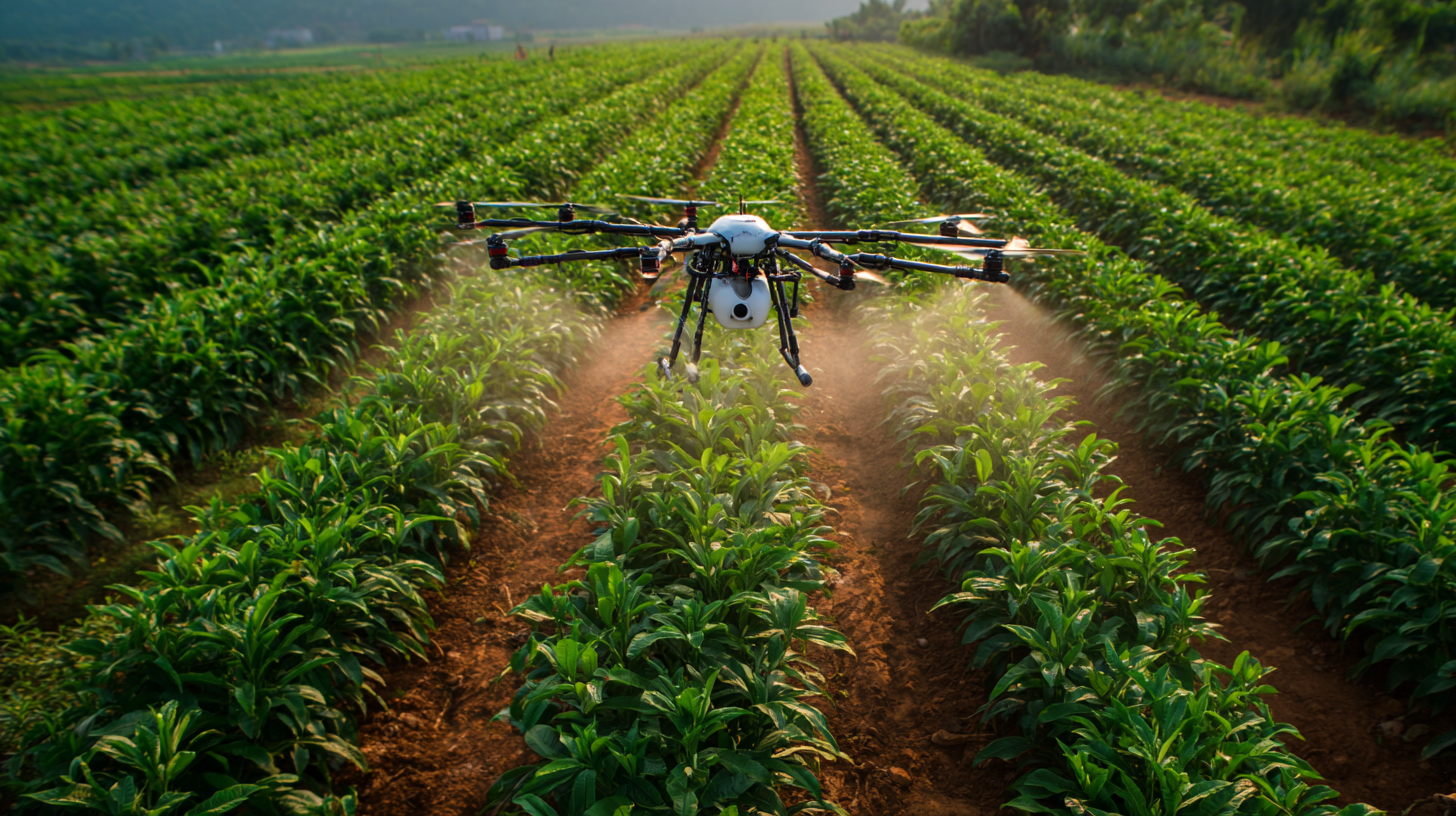
Cost-Effectiveness of Drone Spraying Over Traditional Methods
You know, the rise of agricultural drones for spraying crops has really shaken things up in modern farming. It’s pretty wild how much more affordable they’ve become for farmers compared to the old-school machinery. I recently read that about a third of farms in China are now using drones to spray their fields — quite a leap, right? This tech shift isn’t just cutting down on labor and fuel costs; it’s also making farming way more efficient. Farmers can cover bigger areas in less time, which is a game-changer.
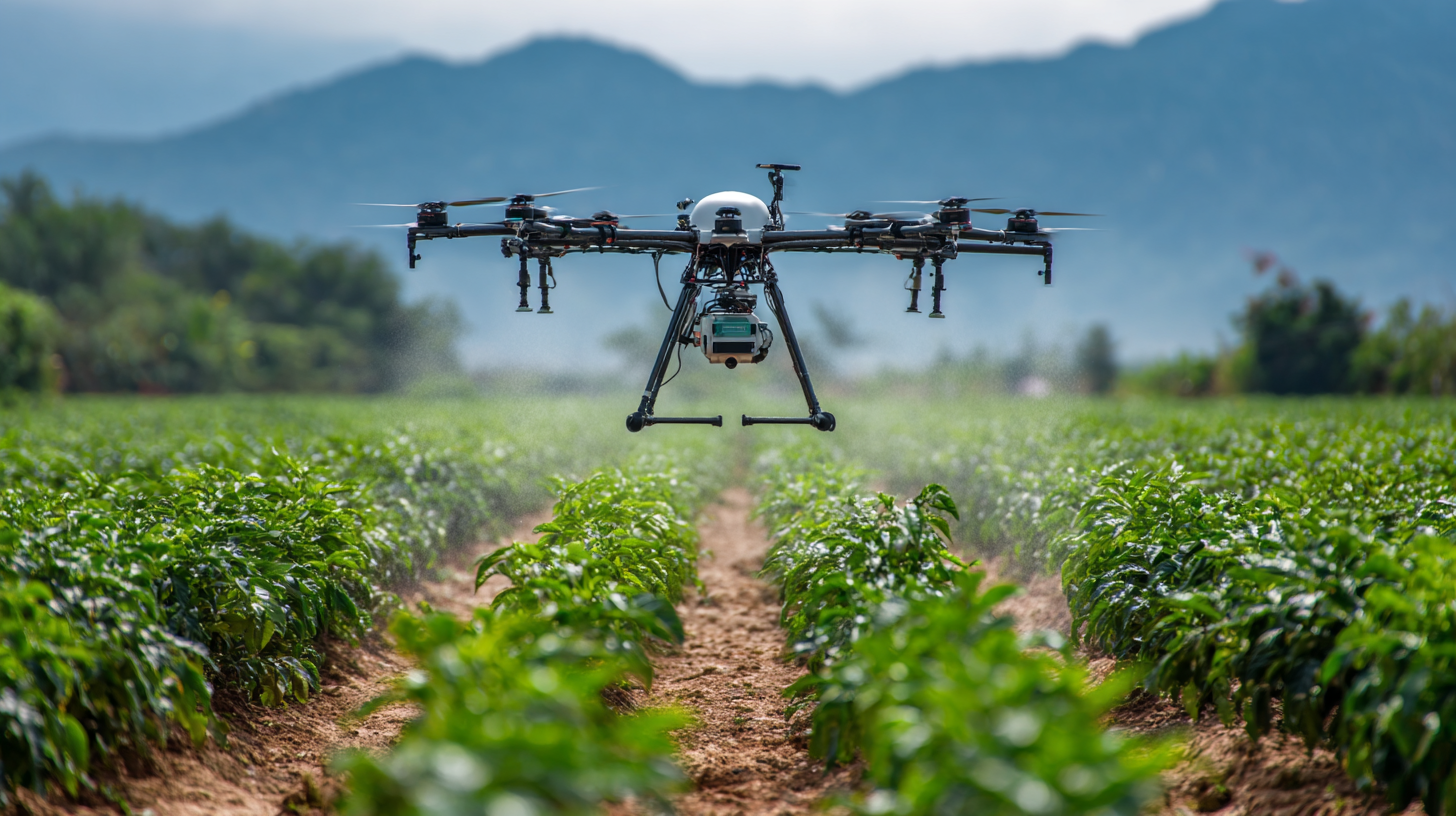
And the cool thing is, with all these recent advances in drone tech, more and more farmers are jumping on board. As rules and regulations get clearer and the tech keeps improving, drones are turning into a pretty popular choice for crop spraying and monitoring. By using these drones, farmers are not only saving a bunch of money, but they’re also able to manage their crops better. It’s amazing how these flying machines are making farming smarter, more sustainable, and definitely shaping the future of agriculture.
Enhancing Data Collection for Smart Farming with Drones
Drones are really changing the game for modern farming. They’re making it way easier to collect data, which is a huge deal in smart agriculture. Thanks to new sensors and imaging tech, these drones can snap real-time info about crop health, soil conditions, and the environment. That kind of info? It’s a total game changer for farmers because it helps them make smarter decisions about where to use resources, how to handle pests, and how to boost yields. Using drones, farmers can keep a closer eye on every part of their fields, making sure everything’s running smoothly and efficiently.
It’s pretty exciting to see how drone tech is fitting right into the bigger push towards precision farming – the whole idea of being accurate and efficient. The market for agricultural drones is expected to grow a lot, especially as communication, cloud computing, and data analysis get better. All these advances make it super easy to send data back and forth and analyze it quickly, so farmers can come up with strategies that really boost productivity while cutting waste. As farming tech keeps evolving, I have no doubt that drones will become even more important – they’re going to play a big role in making farming more sustainable down the road.
Navigating Regulatory Challenges in Agricultural Drone Usage
Using drones in farming is a pretty big deal these days — it's really shaking up how we do things, especially when it comes to spraying pesticides and nutrients. But, as awesome as it is for saving time and being super precise, farmers also have to deal with a tricky maze of rules and regulations. Many countries have pretty tight standards around drone use, focusing on safety, environmental concerns, and airspace rules. So, it’s really important for farmers to get a good grip on these laws, not just to stay out of trouble but also to make the most of what drone technology has to offer.
Farmers should keep an eye on both local and national laws about drones, because they can be quite different depending on where you are. That means getting the right licenses, sticking to the rules about how and when you can fly, and staying updated if legislation changes — which it often does. By being proactive about these regulations, farmers can create a safer environment and even push the boundaries of how they farm. Accepting these challenges actually helps them use drones more effectively, leading to more sustainable farming, better crop yields, and fewer legal headaches down the road.
“Transforming Agriculture: Leveraging the 2023 Market Insights on Drones for Enhanced Crop Management with BR 10 Agricultural Drone”
In the ever-evolving landscape of agriculture, the integration of advanced technologies such as drones is revolutionizing crop management strategies. The 2023 market insights reveal that agricultural drones, specifically the BR 10 model, are becoming indispensable tools for farmers seeking to optimize their yield and enhance resource management. These drones are designed to provide precise data on crop health, soil conditions, and irrigation needs, enabling farmers to make informed decisions that drive efficiency and sustainability.
The BR 10 Agricultural Drone stands out with its advanced imaging capabilities and user-friendly technology, making it accessible for farmers of all experience levels. With features like real-time monitoring and analytics, this drone enables proactive interventions that can significantly improve crop performance. By leveraging aerial imagery and data analytics, farmers can identify problem areas within their fields, apply fertilizers and pesticides more precisely, and ultimately save time and resources.
As agricultural challenges continue to grow, adopting innovative solutions like the BR 10 drone is paramount. It empowers farmers to transform their practices, ensuring not just enhanced productivity but also a commitment to sustainable farming. By utilizing insights from the latest market trends, farmers can embrace this technology to remain competitive and resilient in a changing agricultural landscape.
FAQS
: Agricultural drones enhance crop health and yield by enabling precise application of fertilizers and pesticides, reducing waste, and minimizing environmental impact.
The agricultural robotics market is expected to grow from $8.13 billion in 2025 to approximately $26.35 billion by 2032, with a compound annual growth rate (CAGR) of 18.3%.
Drones improve data collection by gathering real-time information on crop health, soil conditions, and environmental factors, helping farmers make informed decisions about resources and management.
Precision farming emphasizes accuracy and efficiency in agriculture, and drones play a crucial role by providing advanced data collection capabilities, enhancing productivity, and reducing waste.
Farmers must navigate regulations that include safety guidelines, environmental impact considerations, and airspace regulations, which vary significantly by region.
Understanding drone regulations is essential for farmers to ensure compliance, maximize the benefits of drone technology, and foster innovation in agricultural practices.
The growth of the agricultural drone market is driven by advancements in communication technologies, cloud computing, and data processing, which enhance data transmission and analysis.
By utilizing drones, farmers can optimize operations and ensure effective monitoring and management of every inch of their farmland, leading to better resource allocation.
Drones allow for informed decision-making regarding pest control and yield management, enabling farmers to respond quickly to changing conditions and optimize their crop performance.
Drones are likely to become essential tools for sustainable farming practices, as they support data-driven strategies that promote productivity while minimizing environmental impact.