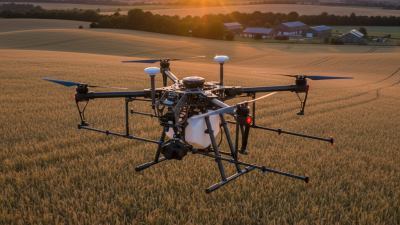
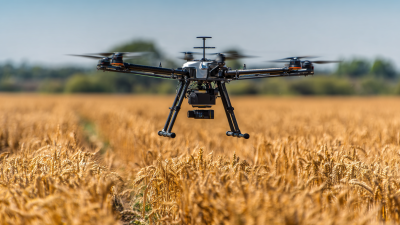
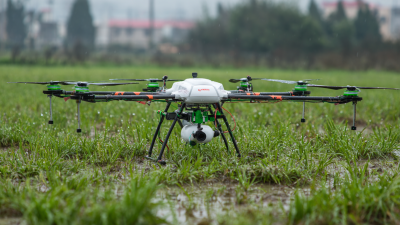
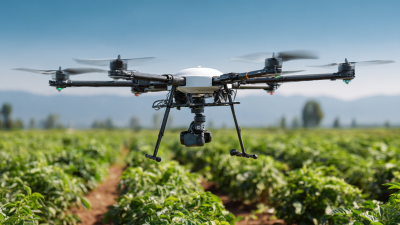
As more farmers and agribusinesses start embracing new tech, everyone’s talking about the Agricultural Drone Frame. Folks are really eager to boost efficiency, keep a closer eye on their crops, and even make better predictions about harvests. But, let’s be real — it’s not all smooth sailing. Experts like Dr. Emily Carter from AgriTech Solutions point out, 'Picking the right Agricultural Drone Frame is key if you want to get the most out of your setup.'
The world of agri-tech is changing fast, and with it come exciting opportunities but also some bumps along the way. Getting the right drone frame can make a huge difference in precision farming, no doubt. But here’s the thing — not every solution fits every farm. Choosing the wrong frame can end up wasting time, money, and resources. Even with all these cool new advancements, farmers still have to figure out what works best for their specific needs, which can get kinda complicated.
Looking ahead to 2026, buyers from around the globe will have tons of options when it comes to Agricultural Drone Frames. Innovation is definitely driving the market forward, but it’s still super important to really understand what your farm needs and what the limitations are. The future of farming pretty much depends on making smart choices and investing wisely in the right technology — because, let’s face it, that’s what will really help farms thrive down the line.
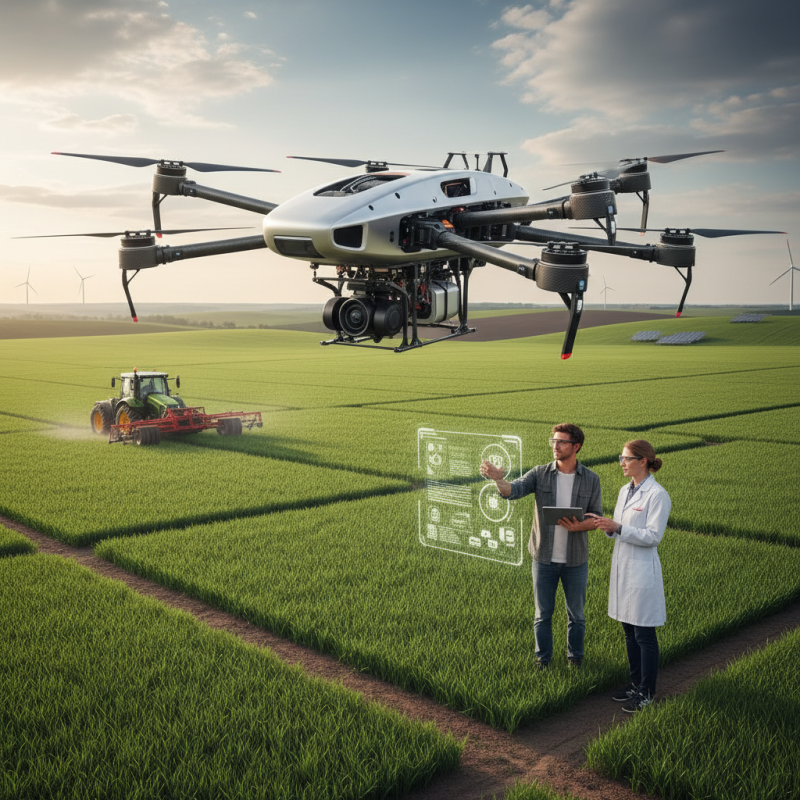
Agricultural drones have evolved significantly by 2026. These advanced tools are now essential in modern farming. They offer precise data collection and improve field management. Farmers are using them to monitor crops, assess soil health, and even apply fertilizers. This innovation increases efficiency and productivity.
When choosing an OEM Agricultural Drone Frame, consider the frame's durability. A robust design can withstand tough conditions. Weight and balance are critical too. A well-balanced frame leads to better flight stability, especially in windy conditions. Ensure it is compatible with various sensors for versatile applications.
In the fast-paced agricultural sector, adapting technology is vital. However, not every drone will perfectly meet your needs. It’s essential to assess specifics like field size and crop type. Reflecting on feedback from earlier model users helps in making better decisions. Explore user reviews and case studies to inform your choices effectively.
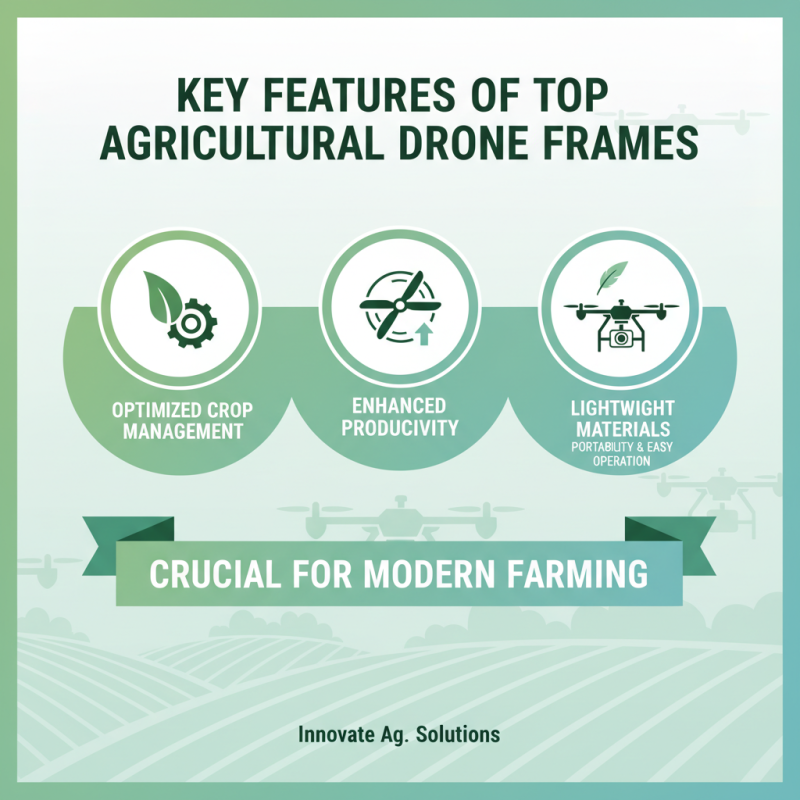
In the evolving landscape of agriculture, drone technology is becoming crucial for modern farming. Agricultural drone frames are pivotal for optimizing crop management and enhancing productivity. These frames often incorporate lightweight materials. This ensures portability and ease of operation in various terrains.
Key features of top agricultural drone frames include modular designs and adaptability. Many farmers prefer a Custom Agricultural Drone Frame that suits their specific needs. A recent industry report stated that drones equipped with advanced sensors can increase crop yield by up to 15%. The integration of real-time data analytics enhances decision-making processes in farming. Such features contribute to more efficient resource usage.
Despite the potential benefits, some challenges remain. Drones can be expensive and require training. Additionally, regulations surrounding drone flight can vary by location. This may pose barriers for some farmers. Continuous advancements are necessary to address these issues and improve user accessibility. Ultimately, agricultural drone frames must evolve to meet the diverse needs of global buyers.
The agricultural drone market is experiencing a dynamic shift. Innovations are changing how farmers view crop management. Drones provide precision in monitoring fields. This is particularly vital for enhancing yields. Analysts note that advancements in technology influence demand significantly. The rise of digital farming solutions also plays a role. Farmers seek efficiency and sustainable practices.
Market trends show an increased need for High-Quality Agricultural Drone Frame designs. They must withstand diverse weather conditions. Durability and adaptability are critical aspects farmers look for. The integration of AI and machine learning further optimizes drone performance. However, many users struggle with the complexity of these systems. There’s a learning curve that can discourage some potential buyers.
Sustainability concerns are driving innovation. Farmers are eager for eco-friendly options. Yet, the cost of high-quality materials can be prohibitive. They must balance budget and quality. Some may find it challenging to adopt new technologies rapidly. Continuous education is essential for growth. This evolving landscape requires ongoing attention to changing market needs.
As agriculture embraces technological advancements, the demand for durable and efficient agricultural drone frames is increasing. Leading manufacturers are focusing on creating lightweight yet strong structures. These frames must withstand harsh environmental conditions such as strong winds and heavy rains. Innovations often lead to frames that enhance flight stability and payload capacity.
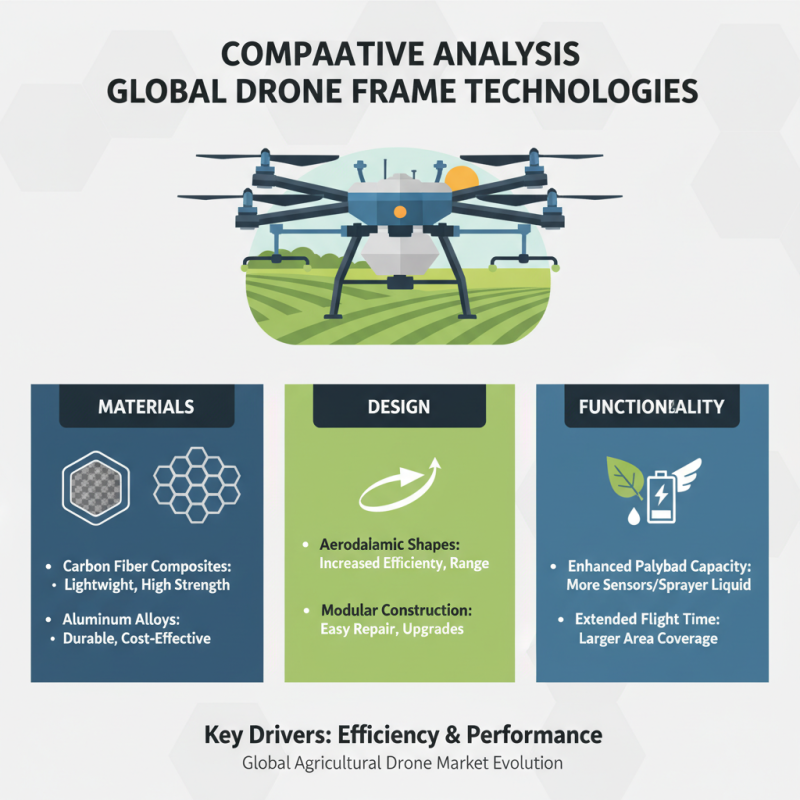
Many manufacturers prioritize materials like carbon fiber and aluminum. These materials offer high strength-to-weight ratios. However, some designs may require adjustments based on real-world usage. Users often report issues with frame durability after extensive use. This feedback is essential for manufacturers to refine their products.
Understanding the market's needs helps manufacturers innovate effectively. They analyze trends and adapt designs accordingly. While some companies excel in creating the Best Agricultural Drone Frame, challenges remain. Striking a balance between cost and performance is crucial. Manufacturers must remain open to feedback and continuously improve their offerings. This commitment to quality ensures that agricultural drone frames can meet rigorous demands in the field.
The global agricultural drone market is rapidly evolving. As farmers seek efficiency, various drone frame technologies have emerged. These frames differ in material, design, and functionality. Lightweight materials are crucial for enhanced payload capacity and flight time. Modern designs prioritize aerodynamics. This allows drones to cover larger areas efficiently.
A comparative analysis reveals significant disparities in performance. Some frames excel in durability but may compromise on weight. Others prioritize maneuverability, which can be beneficial in complex terrains. Each technology has limitations that warrant consideration. Drones with rigid frames may not adapt well to challenging environments. In contrast, flexible structures may lack strength during adverse weather conditions.
Investing in the right drone frame requires careful thought. It's essential to match technology with specific agricultural needs. Some farmers may underestimate the importance of frame selection. A frame that works for one crop type may not suit another. Addressing these nuances is vital for maximizing drone utility in agriculture.
The agricultural industry is increasingly interested in drone technology. However, the adoption of agricultural drone frames faces several challenges. One significant issue is the high initial cost. Many farmers hesitate to invest, fearing the return on this investment may not justify the expense. Additionally, many regions lack infrastructure for drone operation, making it difficult for farmers to utilize these tools effectively.
Regulatory hurdles can also create barriers. In some areas, drone operation regulations are strict. Farmers may need licenses or face restrictions that complicate their ability to use drones in their operations. This not only affects the accessibility of technology but also creates uncertainty in its implementation.
Tips: Start small with trial programs to gauge effectiveness. Investing in training sessions for staff can enhance operational confidence. Engage local agricultural groups to share knowledge and experiences about drone use, fostering a supportive community for innovation. Remember, adapting to technology takes time, and reassessing strategies can lead to eventual success. Embracing and overcoming these challenges could lead to significant improvements in agricultural productivity and sustainability.
The future of agricultural drone design is bright. Innovations are expected to transform how farmers approach crop management. Advanced materials will lighten drone frames, enhancing efficiency. This allows drones to cover more ground with less energy consumption.
New sensor technologies are another exciting development. They will enable drones to collect data with high precision. Farmers can monitor soil health and crop conditions in real time. This means decisions can be made faster based on accurate information.
Tip: Consider the balance between drone size and payload capacity. A larger drone may handle more weight, but it can also be harder to manage.
Moreover, autonomous drone operation is on the horizon. Drones equipped with AI can learn from environmental factors and optimize their flight paths. This reduces the risk of human error and boosts productivity. However, there are challenges in ensuring reliability and consistent performance.
Tip: Stay informed about local regulations on drone use. Adhering to legal guidelines is crucial for safe operations.
: Agricultural drone frames often include lightweight materials, modular designs, and adaptability for various terrains.
Drones with advanced sensors can potentially increase crop yield by up to 15% through enhanced data analytics.
Farmers may encounter high costs, require training, and face varying regulations that could hinder usage.
Many frames are made from carbon fiber and aluminum, providing a high strength-to-weight ratio.
Agricultural drone frames must endure harsh weather like strong winds and heavy rains during operation.
User feedback helps manufacturers refine designs and address issues with frame durability observed in real-world use.
Manufacturers analyze trends and make adjustments to designs to better meet the evolving needs of farmers.
Many users report durability problems after extensive use of agricultural drone frames. Continuous improvement is needed.
Striking a balance ensures that agricultural drone frames are both affordable and effective for farmers’ diverse needs.
Although advancements are ongoing, challenges like cost and accessibility still require significant attention and innovation.
The article "2026 Top Agricultural Drone Frame For Global Buyers Insights" explores the evolving landscape of agricultural drones, focusing particularly on the key features and innovations surrounding Agricultural Drone Frames. As we approach 2026, the demand for these drones is increasingly influenced by market trends such as automation and precision farming techniques, prompting manufacturers to refine their designs and enhance functionality.
A comparative analysis reveals how different global technologies have adopted various materials and aerodynamics to improve efficiency and performance. However, challenges remain in the widespread adoption of agricultural drone frames, including regulatory hurdles and the need for farmer education on drone technologies. Looking ahead, future innovations are expected to focus on sustainability, integration with AI, and further enhancements in design to meet the unique needs of the agricultural sector.